Upper Granary Canyon: Canyoneering and Rappelling
Moab, UtahUpper Granary Canyon is one of those Moab days that hits the sweet spot. You get real canyoneering movement, multiple rappels, and that big desert feeling without committing to the full river exit. If you want a canyon that feels adventurous and scenic, but still manageable with the right plan, Upper Granary Canyon is a fantastic choice.
This guide is built to help you make good decisions fast. You will know if this canyon fits your group, what the day feels like, what gear matters, how to avoid common mistakes, and what to watch for with weather, wildlife, and the archaeology that makes this place special.
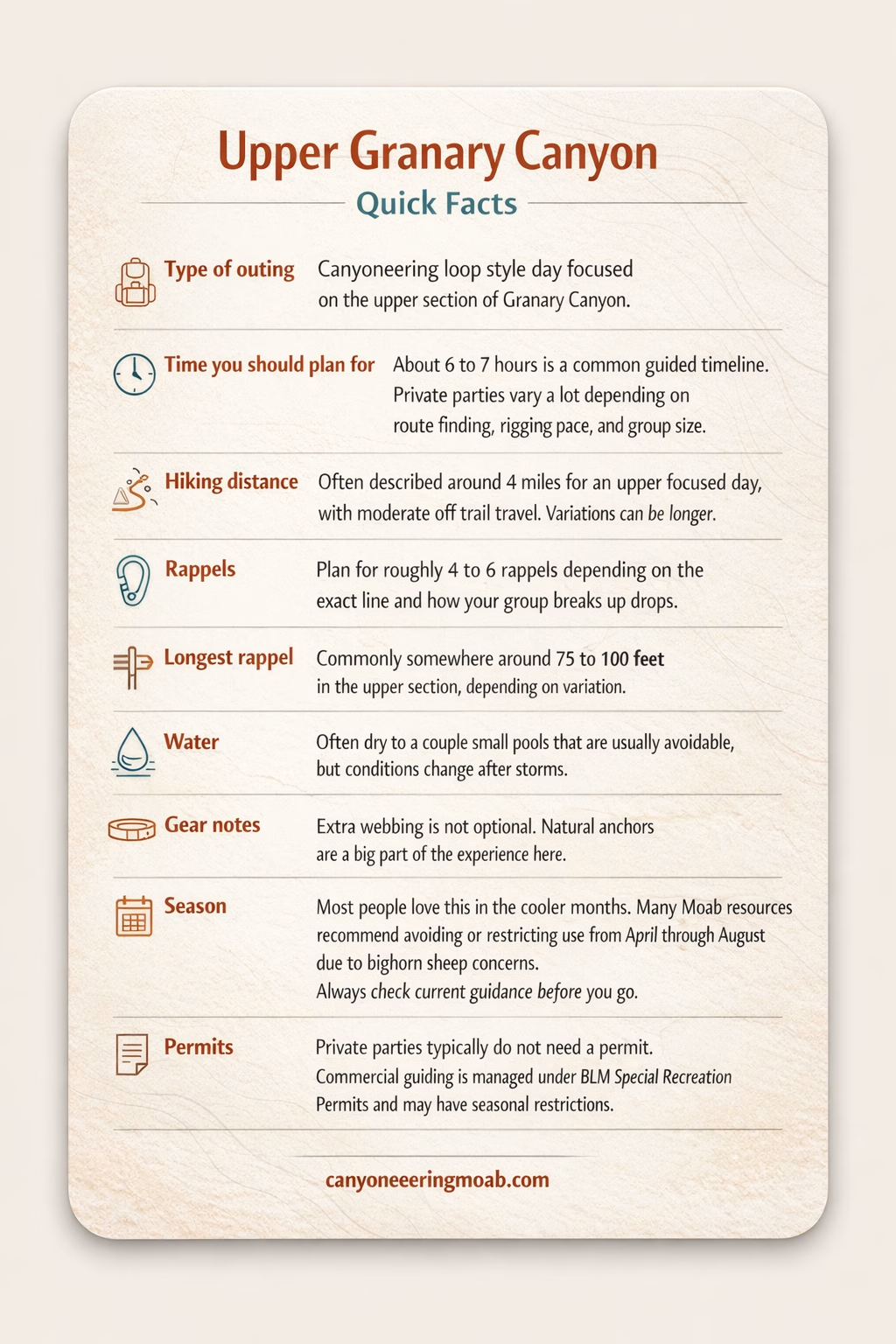
Upper Granary Canyoneering Quick Facts
Type of outing
Canyoneering loop style day focused on the upper section of Granary Canyon
Time you should plan for
About 6 to 7 hours is a common guided timeline. Private parties vary a lot depending on route finding, rigging pace, and group size.
Hiking distance
Often described around 4 miles for an upper focused day, with moderate off trail travel. Variations can be longer.
Rappels
Plan for roughly 4 to 6 rappels depending on the exact line and how your group breaks up drops.
Longest rappel
Commonly somewhere around 75 to 100 feet in the upper section, depending on variation.
Water
Often dry to a couple small pools that are usually avoidable, but conditions change after storms.
Gear notes
Extra webbing is not optional. Natural anchors are a big part of the experience here.
Season
Most people love this in the cooler months. Many Moab resources recommend avoiding or restricting use from April through August due to bighorn sheep concerns. Always check current guidance before you go.
Permits
Private parties typically do not need a permit. Commercial guiding is managed under BLM Special Recreation Permits and may have seasonal restrictions.
How to get to the trailhead from Moab
Upper Granary Canyon is typically accessed from the Island in the Sky area north of town. The drive is straightforward, then you finish on a dirt road to a simple parking area.
The most common route
-
Start in downtown Moab and drive north on US 191.
-
Turn left onto UT 313 toward Canyonlands National Park and Dead Horse Point State Park.
-
Stay on UT 313 as you climb the mesa. This is the main approach road most visitors use.
-
Near the Island in the Sky area, turn onto the dirt road used for Granary Canyon access and follow it to the parking area.
Because the last stretch is on dirt, plan for slower driving than you expect. If it has rained recently, the road can get rutted or muddy and high clearance becomes much more helpful.
What to expect at the trailhead
This is not a developed trailhead with signs and services. Think of it as a pull off and a starting point. Bring an offline map, know your route plan before you leave pavement, and do not count on cell service.
Quick local tips that make the morning smoother
-
Fuel up in Moab. There are no services once you head up UT 313.
-
Start early if you want cooler temperatures and a calmer pace at the first rappel.
-
If the road looks questionable after storms, do not force it. Turning around early is always the right call in the desert.
Is This Canyon a Good Fit for Everyone Involved?
Upper Granary is a great fit if you
-
want a true canyoneering day with multiple rappels
-
are comfortable with off trail travel and some exposure
-
can evaluate anchors, rig safely, and solve small problems as a team
-
want a canyon that feels big and scenic without an all day river exit
Choose a different plan if you
-
need a marked trail and obvious navigation
-
have anyone in the group who freezes at heights
-
see thunderstorms anywhere in the region today
-
are visiting during the peak wildlife sensitive season and cannot confirm current guidance
If you are excited by the idea but unsure about the technical side, this is one of those routes where a guide can turn a stressful day into a confident, fun one.
What the day feels like
Upper Granary is not one massive “hero rappel.” It is more like a rhythm.
You hike out to the rim with wide open views, then the canyon starts stacking features. You move between slickrock benches, sandy pockets, and short drops. The rappels come in a series, so you get repetition and flow.
The best part is the feeling of being tucked into a real desert canyon system, but not so committed that you lose the option to slow down, regroup, and make smart choices.
This is also a canyon where small navigation mistakes can cost time. The terrain encourages wandering, and it is easy to drift into terrain that is slower or more exposed than you intended. A calm pace and a clear plan matter here.
Rappels and rope plan
How many rappels
For an upper focused day, many descriptions put it in the “several rappels” range. Expect roughly 4 to 6 rappels depending on your variation.
How long are the rappels
Most drops are short to moderate. The longest upper rappel is commonly described in the 75 to 100 foot range, depending on the line you take.
Rope plan that keeps things simple
A common recommendation for Granary is:
-
1 rope around 60 m
-
1 rope around 30 m
-
plus a pull cord if your system calls for it
Even if you are only planning the upper section, having a little extra margin is a classic Moab move. Anchors can be farther back than expected, and extending the master point can eat rope.
Anchor reality check
Natural anchors are common here. Trees and other natural features can be used, but they need to be evaluated honestly. Sun exposure, abrasion, and old webbing are real issues in Moab.
Bring extra webbing and be prepared to replace what you find.
Guided Canyoneering Tours
If you want a guided Upper Granary day, book with a permitted Moab canyoneering guide service and let them handle the route plan, safety systems, and anchor management while you focus on the experience.
Guided Canyoneering Tour Option
If any part of this gives you pause, that is not a red flag. It is good judgment.
A guide is worth it when:
-
you want this to feel fun, not like a test
-
you are new to outdoor rappelling
-
you want clean instruction and efficient rope systems
-
you do not want to worry about navigation and anchor decisions
Packing checklist
Must Have
-
harness, helmet, device you know how to use
-
personal tether and a clean rappel backup plan
-
gloves if you like them for sandstone and rope handling
-
headlamp even on a day trip
-
first aid basics and blister care
-
at least 3 liters of water per person in warm conditions, more if you run hot
-
food that still sounds good when you are tired and dry
Group Gear
-
ropes based on your route plan
-
extra webbing and quick links if your practice includes them
-
a knife and a lighter for webbing management
-
a small repair kit for packs and a way to manage rope snags
-
navigation you trust and know how to use
Optional but Nice
-
knee pads if you tend to bang knees on downclimbs
-
a thin wind layer for the rim
-
electrolyte mix for dry desert days
Common Mistakes
-
not bringing enough webbing to build or replace anchors
-
underestimating how long off trail travel takes
-
moving too fast early and burning water before the technical section
-
ignoring weather because the canyon “usually feels dry”
Conditions and safety
Flash floods and storms
If thunderstorms are in the forecast, skip this canyon. Desert drainage systems can flood fast, and you do not need rain directly overhead for trouble.
Heat
Moab heat is a different animal. Even “moderate” hiking becomes serious when the sun is high and the air is dry.
If it is warm:
-
start earlier than you think you need to
-
build shade breaks into your plan
-
drink before you feel thirsty
-
be willing to shorten the day
Cold, wind, and shoulder season
Spring and fall can still bring wind and sudden temperature swings on the rim. Pack a light layer even if Moab feels warm in town.
Wildlife sensitivity
Granary Canyon is within bighorn sheep habitat. Many local resources recommend avoiding use from April through August, and commercial use may be restricted during that period.
Do not guess on this. Check current guidance before you go. If you are unsure, call the BLM Moab Field Office and ask what is recommended right now.
Archaeology, Ethics and Leave No Trace
This canyon is named for real ancestral structures. Treat the area like an outdoor museum.
-
Look, do not touch. Even gentle contact can cause damage over time.
-
Never enter structures or move stones.
-
Do not build new rock piles or “improve” the canyon.
-
Keep your group quiet and respectful when you are near cultural sites.
-
Avoid sharing precise locations of sensitive features online.
The goal is simple: leave it so the next group sees the same story in the stone that you did.
Upper Granary Canyon vs Full Granary Canyon
Upper Granary
This is the version most visitors mean when they want a scenic rappel day without major logistics. It is commonly done as a loop style outing that returns you to the rim without a river exit.
Full Granary Canyon
The full descent is a bigger commitment and is often described with:
-
longer overall hiking distance
-
a river level finish
-
a much longer final rappel on many itineraries
-
shuttle logistics
If you are visiting Moab for the first time and you are not fully confident in desert route finding and anchor management, the upper focused day is usually the smarter call.
Frequently Asked Questions: Upper Granary Canyoneering Route
How long does Upper Granary Canyon take?
Many guided timelines describe about 6 to 7 hours. Private groups vary widely depending on pacing, route finding, and rigging efficiency.
How hard is Upper Granary Canyon?
It is often considered moderate technical canyoneering. The rappels are not massive, but the combination of off trail travel, exposure, and anchor decisions makes it a real canyon day.
Is there usually water?
Often it is dry to a couple small pools that are usually avoidable. After storms, water can linger longer than you expect.
Do I need a permit?
Private parties typically do not. Commercial guiding is managed under BLM Special Recreation Permits and may have seasonal restrictions. If you are unsure, check with the BLM Moab Field Office.
What is the best season?
Cooler months are the most comfortable. Many local resources recommend avoiding April through August due to bighorn sheep concerns.