Pool Arch Canyoneering Loop
Moab, UtahA planning guide to the Pool Arch Canyoneering Loop near Moab, including route flow, rappels, water variability, seasonal tips, and safety checklists.
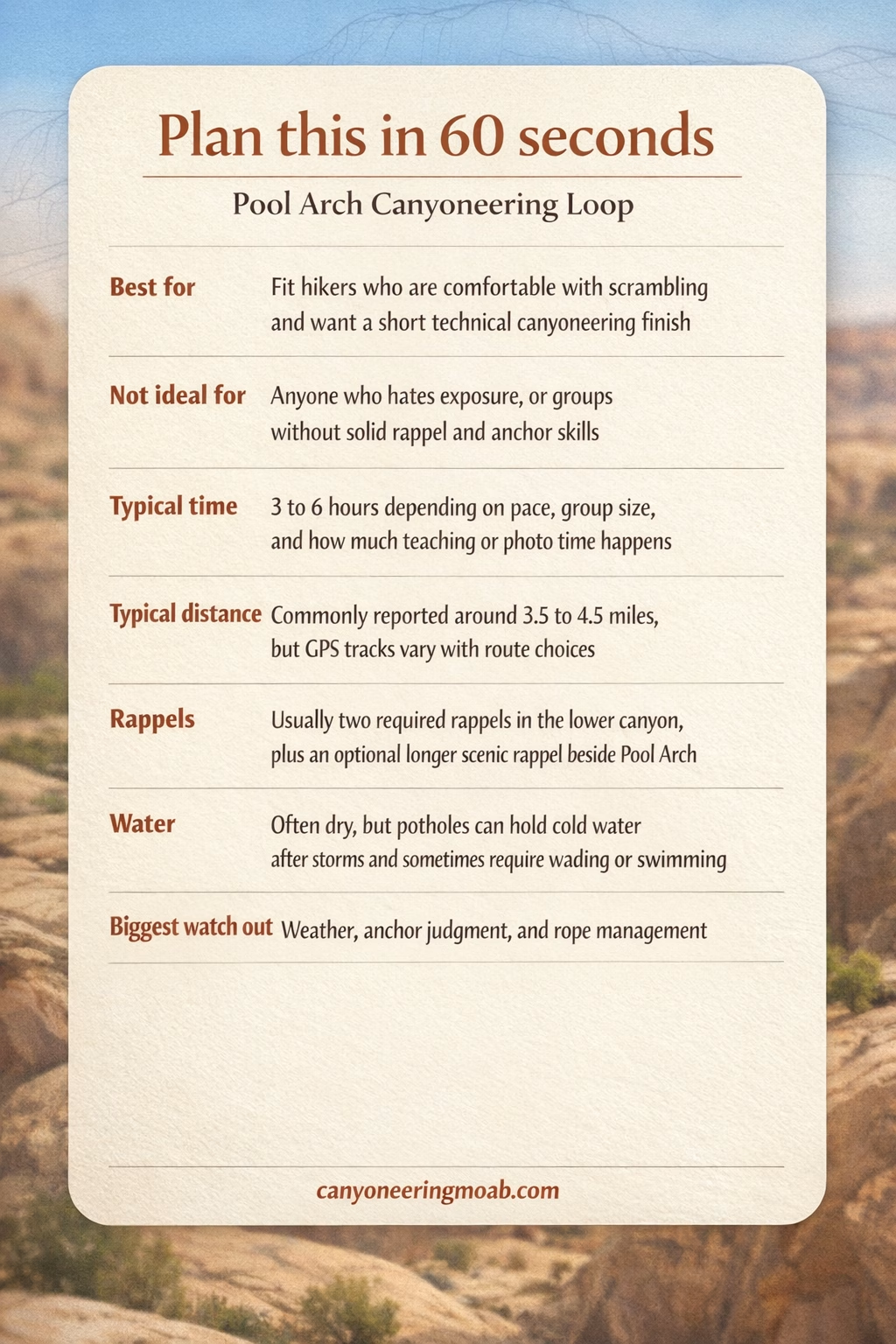
Pool Arch Canyon Loop Quick Guide
Best for: Fit hikers who are comfortable with scrambling and want a short technical canyoneering finish
Not ideal for: Anyone who hates exposure, or groups without solid rappel and anchor skills
Typical time: 3 to 6 hours depending on pace, group size, and how much teaching or photo time happens
Typical distance: Commonly reported around 3.5 to 4.5 miles, but GPS tracks vary with route choices
Rappels: Usually two required rappels in the lower canyon, plus an optional longer scenic rappel beside Pool Arch
Water: Often dry, but potholes can hold cold water after storms and sometimes require wading or swimming
Biggest watch out: Weather, anchor judgment, and rope management
Pool Arch Canyoneering Loop in Moab Utah
If you want a Moab canyoneering day that feels adventurous without turning into an all day sufferfest, the Pool Arch Canyoneering Loop is a standout. You get a playful scramble up fins and slickrock, a big landmark arch moment, then a short technical finish with rappels that makes the whole route feel like a real canyon day, not just a hike with a rope cameo.
This guide is built so you can confidently plan the experience. You will learn what the route is, how the loop flows, where groups get slowed down, what changes after storms, what gear actually matters, and when hiring a guide is the smartest way to make this feel fun instead of stressful.
Know before you go
Pool Arch Canyon is famous partly because it is approachable, and partly because it is easy to underestimate.
-
This route has real exposure. The approach is not technical, but a mistake in the wrong spot still has consequences.
-
Anchor setups can change. Do not assume what you read will match what you find.
-
Water is variable. Dry days are common. Post storm days can feel like a different canyon.
-
There is no prize for pushing through. If anything feels off, turn around early while it is still easy to do so.
What this route actually is
The Pool Arch Canyoneering Loop is a loop style route near Moab in the Kane Creek area that combines a scenic scramble and fin route finding with a short technical canyon finish. Many people also refer to this canyon as Rock of Ages, and you will hear that name often from longtime locals and guide services.
The experience tends to come in three chapters.
-
A sunny approach that feels like a desert obstacle course in the best way
-
The Pool Arch moment, where the landscape opens and the route feels cinematic
-
A tighter canyon finish with rappels, potholes, and a more focused pace
Canyon Naming Clarity
You may see a few names used for the same general experience.
-
Pool Arch Canyon and Rock of Ages are commonly used for the canyoneering route
-
Pool Arch itself is sometimes referred to as Tear Drop or Teardrop Arch
The practical takeaway is simple. If someone in Moab says Rock of Ages, they are almost always talking about the Pool Arch Canyon canyoneering route.
Best Match
-
You want a real canyoneering day without a huge number of rappels
-
You are comfortable with class 3 style scrambling and a little route finding
-
You have the skills to evaluate anchors and manage ropes calmly
Still a Good Fit
-
You are newer to canyoneering but you are going with an experienced leader or a guide
-
You want a route where you can learn without feeling rushed
Not a Great Fit
-
Anyone in your group panics around exposure or heights
-
Your group is not confident with rappels, rope pulls, or anchor evaluation
-
You want a casual hike where the biggest decision is where to eat dinner later
Getting There: Parking and Access Without Confusion
Most parties access this route from the Kane Creek corridor.
There are two important realities here.
-
The Pritchett corridor is also used by extreme four wheel drive traffic. Expect to share space and be visible.
-
Some traditional access lines cross private property and may request a small fee or donation. Policies can change, so respect posted signage and pay where required if you cross private land.
A reliable public parking option commonly used for the area is the Kane Creek Pritchett Trailhead on Kane Creek Road. From there, you can connect to the Pritchett corridor and begin your approach.
Tip: Start early, not just for heat. Morning starts also help you move through the approach and arch area before other groups stack up at the first technical transition.
Pool Arch Canyon Loop Route at A Glance
This is the high clarity flow most people want before they commit.
-
Walk the corridor toward the Pritchett route and watch for the correct drainage entrance
-
Enter the approach drainage and begin the scramble and fin route finding
-
Keep trending upward through gullies and ledges until the terrain opens
-
Reach the Pool Arch area and take your real break here
-
Choose your line: optional scenic rappel beside the arch, or bypass it and continue
-
Drop into the lower canyon and move through potholes and tight sections
-
Complete the final rappels in the technical finish
-
Hike out back to the corridor and return to your start
Step by Step Route Flow with Details That Matter
The approach that feels like a desert playground
The approach is where people either fall in love with the route or get humbled by it.
You will scramble up a series of steps that often look like dead ends until you find the next weakness in the rock. It is not hard climbing, but it is hands on. In a mixed ability group, this is where your timing gets decided.
Where groups get slowed down: short downclimbs on the return line, places where someone wants a spot, and moments where route finding pauses turn into long debates.
What helps: keep the group close enough to communicate, but not so close that rockfall and awkward waiting become a problem.
The Pool Arch moment
This is the natural reset point of the day.
Eat, drink, layer up if the wind is pushing through, and talk through your technical plan. You want the transition into the lower canyon to feel deliberate.
The optional Pool Arch rappel decision
This is the big fork in the experience.
-
If you include the Pool Arch rappel: you get a dramatic scenic line that many people consider the highlight of the day. Reported lengths vary, but it is commonly described in the 140 to 150 foot range depending on rigging.
-
If you bypass it: you still get a great canyon finish, and you remove the longest drop from your day.
Local reality: the scenic rappel is where rope management mistakes show up. If your group is even a little shaky, skipping it can turn the entire day from tense to fun.
Lower Canyon Travel and Potholes
The lower canyon is where conditions change the most.
On dry days, this section is straightforward and quick. After storms, potholes may hold cold water and can feel like the crux, especially in winter or shoulder season wind.
If you do not want to get soaked: bring a small dry bag and treat it like a real system, not an afterthought.
The Final Rappels and Exit
Many route descriptions and operators describe two primary rappels in the lower canyon, with the optional Pool Arch rappel making it three total for many parties. Some published lengths also vary based on where anchors are set.
The safest way to think about it is this.
-
Plan for a short sequence of rappels in the finish
-
Expect anchor and length variability
-
Bring rope and skills that give you options, not limitations
After the final drop, you will downclimb and hike back to the corridor.
Time Planning to Keep Your Day Moving
Here is a realistic planning model that fits most groups.
-
Approach and route finding: 1.5 to 3 hours
-
Pool Arch break and decision point: 20 to 40 minutes
-
Lower canyon travel plus rappels: 1 to 2 hours
-
Exit hike: 20 to 45 minutes
Add time if you are teaching skills, traveling with kids, or managing a big group.
Canyoneering Rope Length and Gear
Rope planning in plain language
Published rope recommendations vary because anchor choices vary. The best user experience approach is to plan with flexibility.
-
If you want the option to do the longer scenic rappel with comfort, bring a rope that supports it cleanly.
-
If you are trying to do this with the minimum rope possible, you are turning a fun day into a day of calculations and compromises.
Gear checklist for Moab’s Changing Conditions
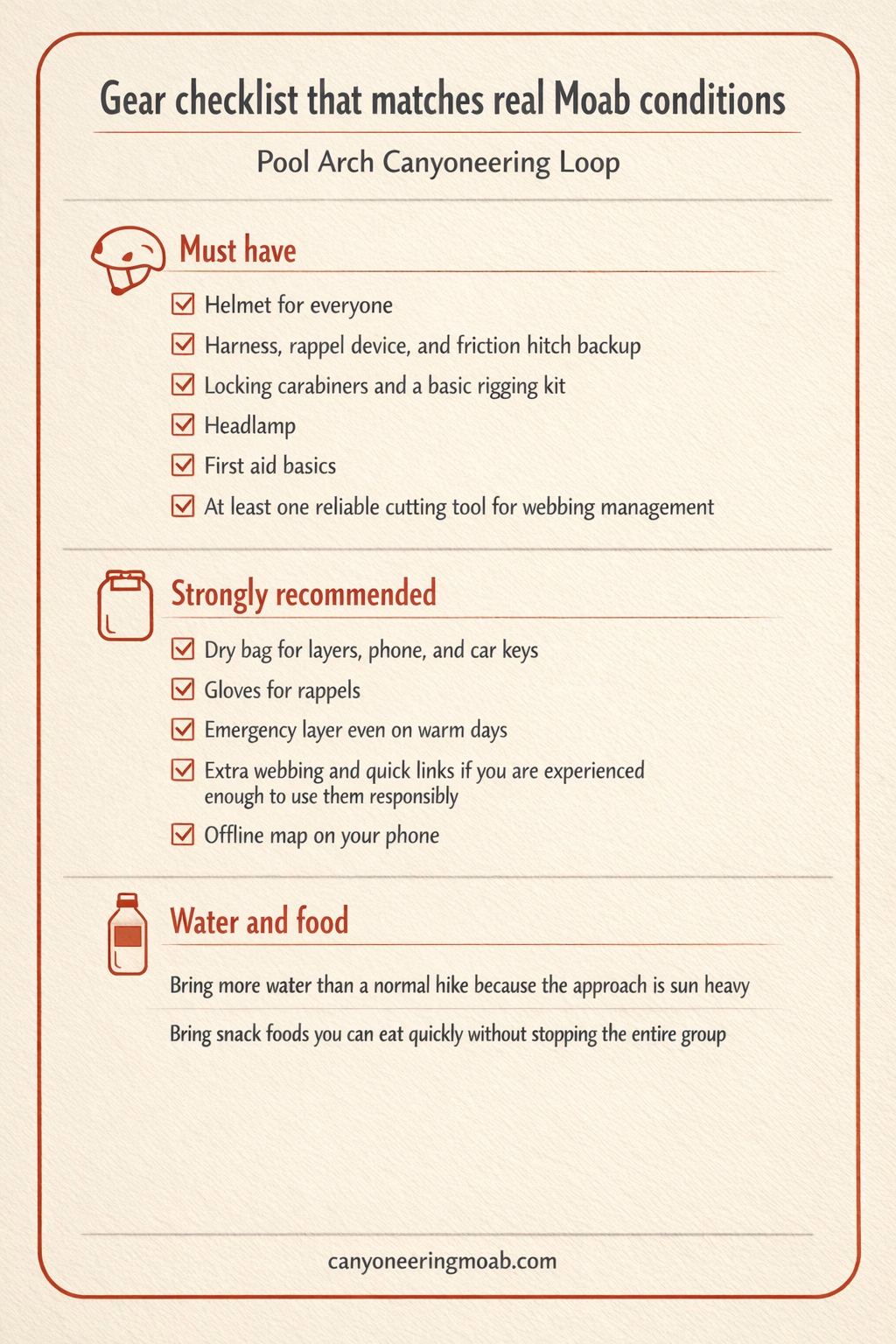
Must have
-
Helmet for everyone
-
Harness, rappel device, and friction hitch backup
-
Locking carabiners and a basic rigging kit
-
Headlamp
-
First aid basics
-
At least one reliable cutting tool for webbing management
Strongly recommended
-
Dry bag for layers, phone, and car keys
-
Gloves for rappels
-
Emergency layer even on warm days
-
Extra webbing and quick links if you are experienced enough to use them responsibly
-
Offline map on your phone
Water and food
-
Bring more water than a normal hike because the approach is sun heavy
-
Bring snack foods you can eat quickly without stopping the entire group
Safety that feels calm and useful
Before you leave the car
-
Check the forecast for storms and wind
-
Confirm everyone understands the plan and the turnaround rules
-
Make sure your rope plan matches your route plan
-
Decide who leads, who tails, and who manages rope pulls
-
Put helmets on early, not when it gets scary
While you are moving
-
Move one at a time through exposed steps
-
Keep rope ends controlled and always knot ends when it matters
-
Communicate clearly at rappels, especially with mixed experience groups
-
Stay humble about anchors. If it does not look solid, treat it as not solid
Turn around triggers you should agree on now
-
Storms building anywhere near the drainage
-
Anchor condition that makes your group uneasy
-
A member of the group is freezing after unexpected water
-
You are behind schedule before entering the lower canyon
Seasonal reality in Moab
Spring
Comfortable temperatures make this route shine. Wind can still be a factor, especially in exposed fin zones.
Summer
This route is very sunny. Heat is the main hazard. Early starts are not optional if you want it to feel good.
Fall
One of the best seasons for this loop. The light is beautiful and the air is usually cooperative. Daylight shortens, so start earlier than you think.
Winter
Possible and often quiet, but water plus shade can chill you fast. If you expect pools, bring insulation and plan for slower movement.
Pro Tips
-
Do your longest break at the arch. It is the last place where relaxing feels effortless.
-
Keep the approach moving. Slow groups do fine here, but only if the pace stays steady instead of stop start.
-
Treat rope pulls like a skill, not a chore. Many bad days begin with a casual rope pull decision.
-
If you are uncertain, skip the scenic rappel. You will still have a great canyon day.
Common Mistakes: What Makes This Harder Than It Should Be
-
Starting late and getting stuck in the hottest part of the day
-
Underestimating scrambling and exposure because the technical section is short
-
Arriving at anchors with no backup plan
-
Packing like a hike and then getting surprised by cold water
-
Trying to keep everyone happy by pushing forward when one person is clearly not comfortable
Would a Guided Trip Make This Canyoneering Experience Better?
For many visitors, absolutely.
A good guide makes Pool Arch Canyon feel smooth. You get efficient route finding on the approach, experienced anchor decisions, coaching that reduces fear, and a rappel flow that keeps the day fun. Guides also help you choose the best variation for the day’s conditions, including whether the scenic rappel is a great idea or a needless stressor.
If you want this to feel relaxed, guided is the move.
If you like this, you might also enjoy
These are great next steps on canyoneeringmoab.com if Pool Arch is your style.
-
Lower Granary Canyon