Little Sinbad Canyon
Little Sinbad Canyon, also known as Zero Gravity Canyon or Zero G, is a short, wet slot in Utah’s San Rafael Swell that packs swims, sculpted narrows, and a fun touch of problem solving into a half day adventure. Most groups finish in about 1.5 to 3.5 hours car to car on a roughly 2.8 mile out and back style route with around 400 feet of gain, and conditions often include pools that may require wading or swimming. Expect a 3B II style canyon with a pothole and a final crux where some groups choose to rappel, with up to about a 49 foot drop. Plan for little to no cell service, follow posted BLM rules, and come prepared to stay warm if the water is cold.
Little Sinbad Canyon Canyoneering Route
Little Sinbad Canyon is the kind of desert adventure that feels like you stumbled into a secret hallway carved for fun. It is a short, wet slot canyon in the San Rafael Swell, and it makes a perfect day trip from Moab when you want real narrows, real water, and just enough problem solving to feel proud of yourself without committing to a full day sufferfest. You will wade, you will probably swim, and you will move through sculpted sandstone that looks like it was poured into place. Most people also know this canyon as Zero Gravity Canyon, or simply Zero G, and once you see the smooth walls and the playful flow of the route, you will understand why it has a reputation.
This guide is built for real planning, not vague inspiration. You will get a clear sense of what Little Sinbad Canyon actually feels like on the ground, how a typical first timer route usually unfolds, where groups tend to slow down, and what decisions matter most around the pothole and the final crux. We will talk gear in a practical way, the kind of stuff that keeps your hands working and your group warm, not the kind of list that makes you feel like you need a climbing shop on your back. You will also get honest timing guidance, seasonal reality checks, and a simple way to decide whether going with a guide will make your day smoother and more fun.
The goal is simple. When you leave Moab, you feel prepared. You know what you are walking into, you know what could change with conditions, and you have a plan that matches your group. No guessing, no surprises, just a great canyon day that ends with tired legs, a big grin, and that satisfying feeling that you did something genuinely different out here.
Quick Plan
Canyon time: about 2 to 3 hours for many groups
Distance: about 2.8 miles total for the common route
Water: expect wading and swims in many seasons
Rope: often optional, but many groups bring one for the final crux
Best seasons: spring, summer, fall
Good for beginners: yes, with competent leadership and a warm water plan
Biggest watch out: cold water plus a semi keeper pothole can slow groups down
How to Get to Little Sinbad Canyon from Moab
The highway driving is straightforward. The last part is dirt road navigation, and that is where most first time visitors feel unsure.
The simple highway plan
From Moab you will typically drive north toward Green River, then head west on I 70 and drop south toward the Goblin Valley and Temple Mountain Road area. Once you leave pavement, expect junctions that are easy to miss if you rely on cell service.
The dirt road reality check
Road conditions in the Swell change after storms. A road that feels smooth in dry weather can turn into deep ruts or sticky mud after rain.
Before you leave Moab:
-
Download offline maps
-
Bring a full size spare tire and a way to air up if you run lower tire pressure
-
Tell someone your plan and expected return time
Helpful navigation pin
A commonly used dirt road turn off point from UT 24 is around 38.7604, -110.4483. Treat coordinates as approximate. Roads and parking spots can shift with maintenance, weather, and which track you follow.
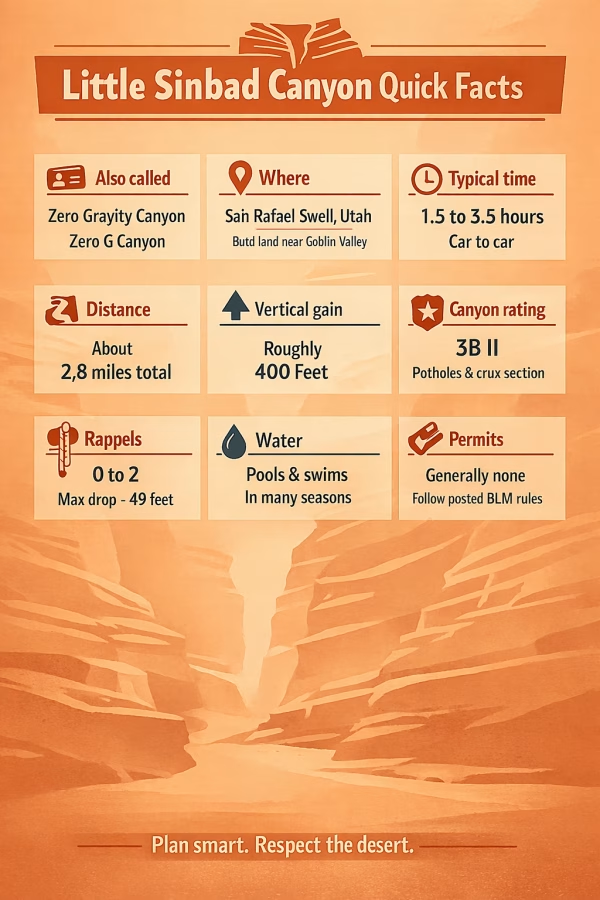
Quick Facts To Help Plan Your Day
-
Also called: Zero Gravity Canyon, Zero G Canyon
-
Where: San Rafael Swell, Utah on BLM managed public land near the Goblin Valley and Temple Mountain Road area
-
Typical time: about 1.5 to 3.5 hours car to car for most groups
-
Distance: about 2.8 miles total for the common out and back style route
-
Vertical gain: roughly 400 feet depending on where you drop in and how you exit
-
Canyon rating you will see most often: 3B II with a pothole and a crux that rewards competent leadership
-
Rappels: often 0 to 2, with a maximum drop commonly described as about 49 feet if you choose to rappel the crux
-
Water: expect pools and swims in many seasons
-
Permits: generally no permit is required for a normal day visit, but always respect posted signs and current BLM rules
-
Cell service: unreliable to nonexistent, plan as if you will have none
Add Little Sinbad Canyon to Your Moab Itinerary
Little Sinbad is small in mileage, but it packs in the stuff people come to the desert for: tight sculpted sandstone, sudden shade, warm light bouncing off walls, and a playful rhythm of walk, wade, swim, and climb.
It is also a confidence builder. If you have never done a wet canyon, this is a friendly place to learn how to move as a team, manage a rope option, and keep everyone warm and smiling.
Canyoneering Route This Guide Covers
Little Sinbad Canyon has a few ways people describe it. To keep this clear, this page focuses on the most common first timer plan:
-
You park near the signed Zero Gravity Canyon access
-
You follow a rim side trail to a drop in point
-
You descend the narrows and pools down canyon
-
You exit down the wash and walk back to your vehicle
If you take an alternate entry, exit, or add side explorations, your time and difficulty can change.
The Route flow: What the Day Feels Like
Here is what the standard Little Sinbad Canyon day feels like when it goes well.
The Approach: Open Desert and Rim Views
You start on an old track and use trail that trends toward the rim of the drainage. The Swell has a way of looking barren until you are standing on the edge, staring into a cut in the rock that feels like a doorway.
This is the best time to do your real gear check:
-
Helmets on
-
Keys and phone sealed in a dry bag
-
Snacks and warmth layer accessible
-
Everyone knows the plan for the pothole and the final crux
Dropping In: The Canyon Begins to Narrow
Once you drop into the drainage, the walls gradually tighten. You will have short stretches of sand walking, then polished sandstone slots, then pools.
The movement is varied:
-
Easy downclimbs where three points of contact keeps it calm
-
Short stemming and chimney moves in narrow spots
-
Pools that range from knee deep to swims depending on season and sand level
The Water Section: This Canyon Feels Like a Playground
Many groups remember Little Sinbad for the water. Even on warm days, shade and cold pool water can surprise you.
A good rhythm is:
-
Move efficiently through swims
-
Keep breaks short in the shade
-
Snack in sunny open sections when you can warm up
Two Places Most Groups Lose Time and Slow Down
The Semi Keeper Pothole
Little Sinbad is known for a pothole that can feel semi keeper depending on water level, sand, and body size.
A simple way to think about it:
-
Some days it is a quick partner assist and you are out
-
Some days it takes sequencing, pack tossing, and patience
What helps most:
-
A smaller group that can move without long waits
-
A leader who stays calm and gives clear direction
-
Keeping packs light and easy to move
The Final Crux: Canyoneering Choices, Downclimb or Rappel
Near the end, the canyon tightens again and you reach a final section where many groups pause and decide.
In plain terms, the choice is:
-
Downclimb if you are warm, confident, and moving well
-
Rappel if you are tired, cold, unsure, or you have larger bodies in your group who do not love awkward stemming starts
If you rappel, many sources describe the largest drop as roughly 50 feet, and groups often carry a 30 meter rope to keep options open.
Safety Always Matters in Little Sinbad Canyon
This canyon is short, but it is still a slot canyon on remote public land. Treat it with the same respect you would give a longer technical route.
Flash floods and weather
Avoid slot canyons when storms are possible anywhere in the drainage. Flood water does not need to fall directly above you to reach you.
A conservative plan is:
-
Check the forecast for the area you are driving through, not just Moab
-
If rain is likely, pick a different adventure for the day
Cold water is the most common problem
Cold turns small obstacles into big ones. It slows hands, slows movement, and makes people hesitate.
If you think your group might move slowly, plan for warmth. A wetsuit is often the difference between a fun day and a miserable day.
Anchors are not guaranteed
Any webbing or hardware you find in a canyon can be sun cooked, sand cut, or simply missing.
Bring enough webbing and a quick link or two so you can replace worn material if needed, and only use anchors you can evaluate.
Group management is a safety tool
The fastest way to create risk here is to bring a large group that stacks up at the pothole and crux.
If you have a big party, split into smaller teams with proper spacing and experienced leadership.
How to Stay Warm and Happy Canyoneering in a Wet Canyon
This is the part that turns a good day into a great day.
-
Start early enough to avoid rushing
A rushed canyon day leads to bad decisions.
-
Keep the group small
Four to six people is a sweet spot for warmth and flow.
-
Eat before you are cold
A snack break in the sun right before the colder narrows helps more than people expect.
-
Keep moving through bottlenecks
Standing still in cold water is when smiles fade.
-
Have an exit layer
A dry top or warm layer for the walk back feels like magic.
Gear That Makes this Canyon Smoother
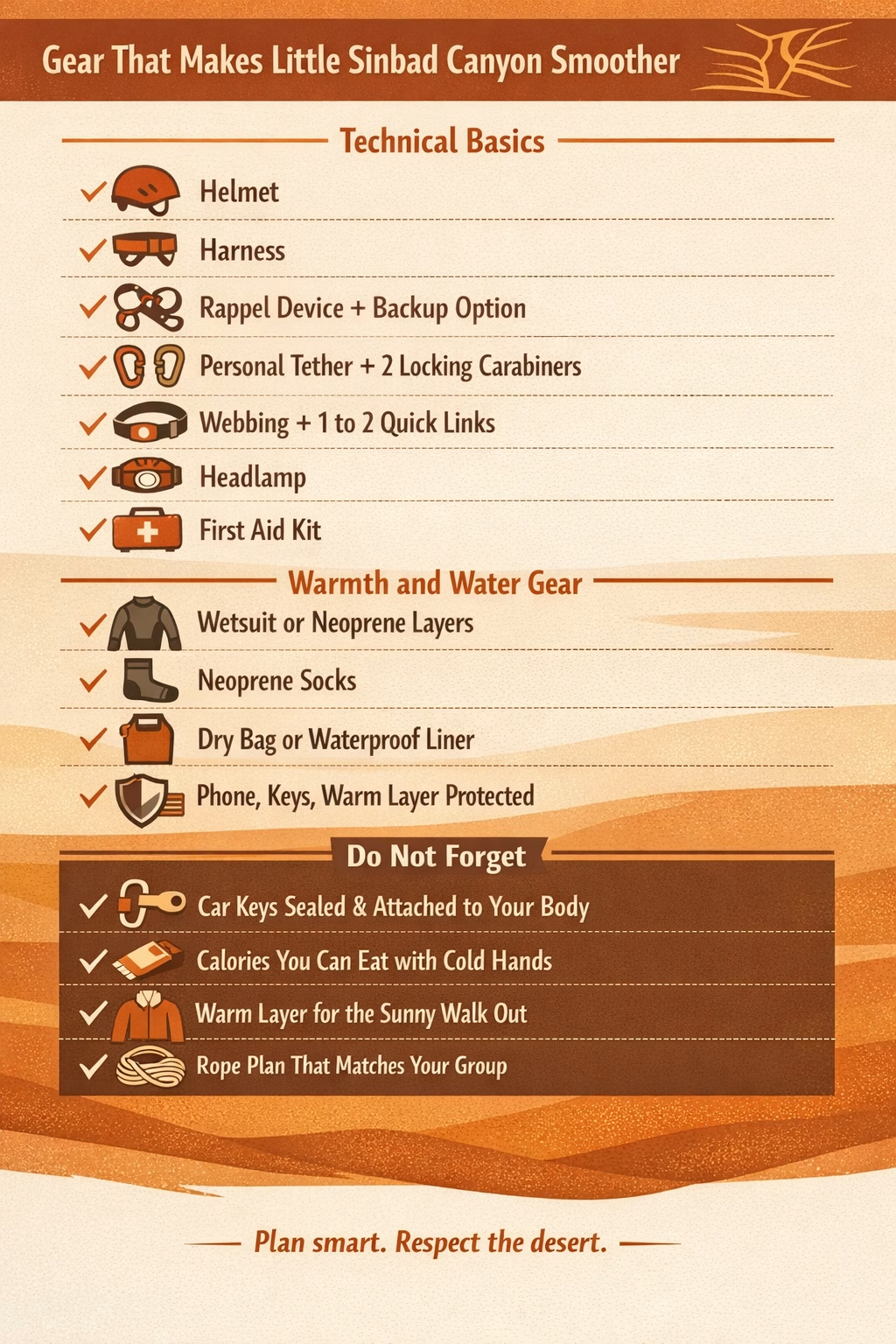
The technical basics
-
Helmet
-
Harness
-
Rappel device and a backup option
-
Personal tether and a couple locking carabiners
-
Webbing and a quick link or two in case existing material is worn
-
Headlamp
-
First aid kit
Warmth and water gear
-
Wetsuit or neoprene layers in cooler seasons or for slower groups
-
Neoprene socks if you hate cold feet
-
Dry bag or a tough waterproof liner for phone, keys, and a warm layer
A checklist you can screenshot
Do not forget:
-
Car keys sealed and attached to your body, not loose in a pack
-
Calories you can eat with cold hands
-
A warm layer for the sunny walk out
-
A rope plan that matches your group, even if you hope not to use it
Best Time to Explore Little Sinbad Canyon
Spring
Spring is a favorite for desert light and temperatures, but the water can be cold. This is when neoprene matters most.
Summer
Summer usually makes the swims feel fun instead of punishing. Start earlier to avoid heat on the approach and exit.
Fall
Fall brings beautiful light and comfortable hiking weather. Water often cools down again, especially in shade.
Winter
Winter turns Little Sinbad into a cold water canyon. Only go if your group is efficient and experienced in managing cold exposure.
Is Little Sinbad Canyon Right for You?
You will love Little Sinbad Canyon if
-
you want a short, high reward wet slot
-
you are comfortable with tight spaces and short downclimbs
-
you enjoy teamwork and a little puzzle solving
You should choose a guide, or pick a different canyon, if
-
nobody in your group has led a wet canyon before
-
you are unsure how to evaluate anchors
-
you have a large group that moves slowly
-
cold water is a hard no for someone in your party
Should you Hire a Guide for Little Sinbad Canyon: Is it Worth it?
A guided trip often makes this canyon more fun for first timers because the guide can manage pacing, keep the group warm, and solve the pothole and crux efficiently.
If your goal is a smooth, low stress first wet canyon, a guide is the simplest way to get it.
Explore guided canyoneering options on canyoneeringmoab.com, and pair this day with other Moab planning help like gear guides and route recommendations.
Easy Pairings to Build a Full San Rafael Swell Day
If you are driving out from Moab, it helps to bundle the day into a clean plan.
Option 1: Canyoneering plus Goblin Valley
Little Sinbad Canyon first, then an easy wander among the goblins when you are dry and warm.
Option 2: Slot day without ropes
Pair Little Wild Horse Canyon with a scenic drive day if you want a non technical slot feel.
Option 3: Two canyon sampler
If your group is efficient, you can pair Little Sinbad with another short Swell route, but only if you are confident in timing and conditions.
Avoid These Common Mistakes
-
Starting late and finishing cold
-
Bringing a big group and creating long waits at obstacles
-
Underestimating how much cold water slows people down
-
Assuming fixed anchors are safe without inspection
-
Skipping the rope because you hope the downclimb will feel easy
-
Leaving keys or phone unprotected
Frequently Asked Questions: Little Sinbad Canyon
Is Little Sinbad Canyon the same as Zero Gravity Canyon?
Yes. Little Sinbad Canyon is widely known as Zero Gravity Canyon or Zero G.
How long is Little Sinbad Canyon?
The standard outing is commonly described as about 2.8 miles total. Small variations happen based on where you drop in and how you return.
How long does Little Sinbad Canyon take?
Many groups take about 2 to 3 hours in the canyon, with total time changing based on group size, water level, and how long you spend at the pothole and final crux.
Do you need a permit for Little Sinbad Canyon?
Typically no permit is required for a standard day trip in this BLM area, but always follow posted rules and current land management guidance.
Is there a mandatory rappel?
Not always. Some groups downclimb the final crux. Other groups choose to rappel depending on comfort, conditions, and body size.
What rope length should I bring?
If you want the option to rappel, many groups carry a 30 meter rope. The largest drop is commonly described as roughly 50 feet.
Will I have to swim?
In many seasons, yes. Expect pools that can require wading and swimming depending on water and sand conditions.
Is Little Sinbad Canyon good for beginners?
It can be, with competent leadership, good group management, and a plan to stay warm in cold water.
What is a keeper pothole?
A keeper pothole is a smooth, deep pothole that can be hard to escape. Little Sinbad has a pothole that can feel semi keeper depending on conditions.
Is it safe to go after rain?
Avoid slot canyons when storms are possible anywhere in the drainage. Flash floods can happen even when the sky above you is clear.
Will I have cell service?
Do not count on it. Download maps before you leave pavement and plan for no signal.